

Return to Berlin
Berlin
Location
140
Employees
2024 - Present
Project period
approx. 3,000 m²
Space
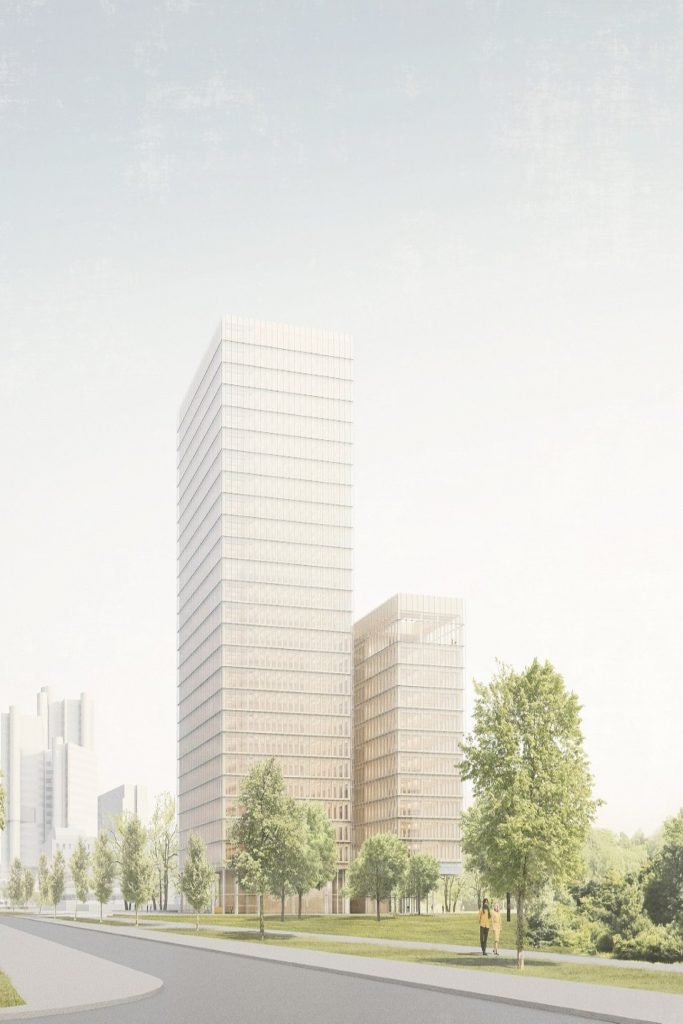
For almost three decades, Babelsberg was home to UFA. Now the media company is returning to the capital – not just geographically, but as a company reinventing itself.
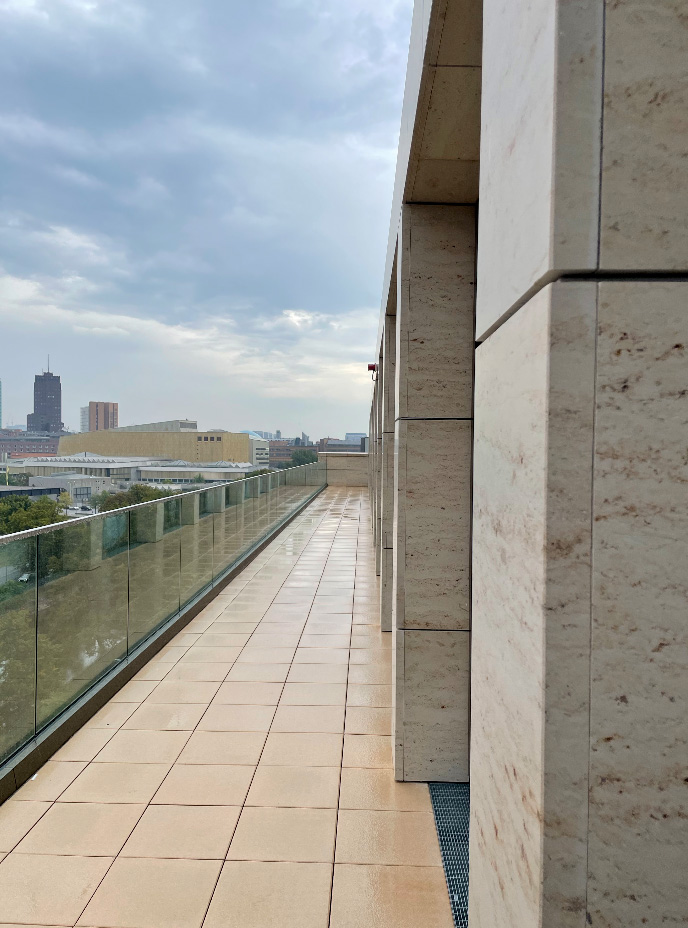
Since April 1st, around 140 employees have been working at Schöneberger Ufer in a headquarters that aims to be more than just a new office.
No ordinary move
For UFA, the move to Berlin is a strategic decision. The company wants to become more agile, lead more modernly, and work more closely together – both internally and with the Berlin creative scene. At the same time, employee expectations are changing: mobile work, hybrid teams, and new demands for employer attractiveness require spaces that not only tolerate this reality but actively support it. The move from Potsdam to Berlin-Schöneberg bot the chance to tackle both in one go.
A shared vision – before the first floor plan was drawn
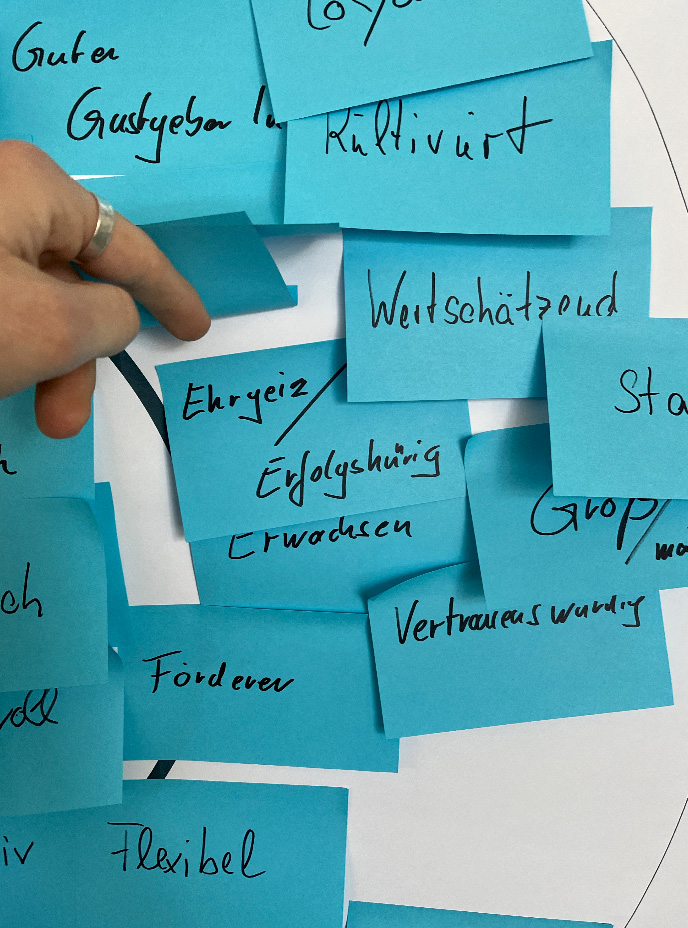
In the beginning, there were no square meter plans, but rather questions: How do we want to work together? What should this new place say about UFA? In strategic workshops with management and executives, combine, together with the company, developed a clear vision of the future world of work. This target vision became a common language – and the basis for all further decisions.
The real task: accompanying change, not just designing space
It quickly became clear where the decisive lever lay. Desk sharing, non-personally assigned individual offices and general more open areas, to work more collaboratively to can. Als common denominator activity-based working – that sounds like the modern world of work. For many employees, it meanse is but Initially: loss of fixed workstations, new requirements for self-organization, uncertainty about how daily collaboration will look in the future. combine did not treat this reaction as resistance, but as a legitimate question that required real answers. The result was a comprehensive change and communication concept designed to provide orientation and build trust—long before the first box was packed.
Genuine participation
Employees and managers were systematically in thetSt.fermentation process involved – through formats ranging from informing to co-creating:
- Learning Journeys teams led into ready-made new work environments of comparable companies to make abstract concepts tangible.
- Workshops and participation formats provides space to exchange ideas, contribute requirements and ideas, express needs, and participate directly in solutions.
- Multipliers They assumed the bridging role between the project team and the workforce – they carried concerns upwards and guidance downwards.
- Town halls regularly scheduled meetings (including the works council) ensured that no one was left behind.
Make the new world of work tangible – before it's finished
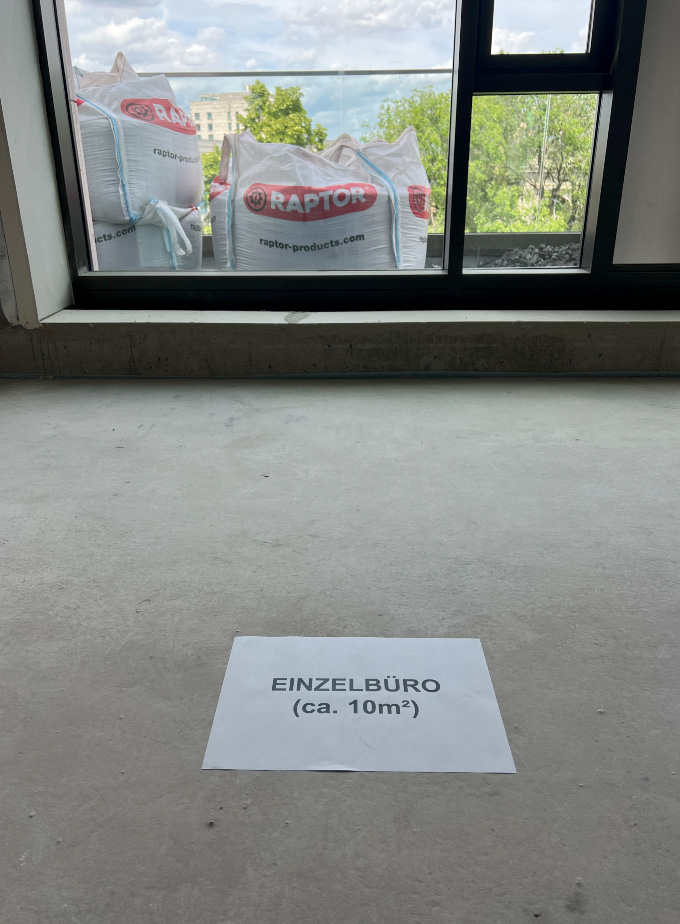
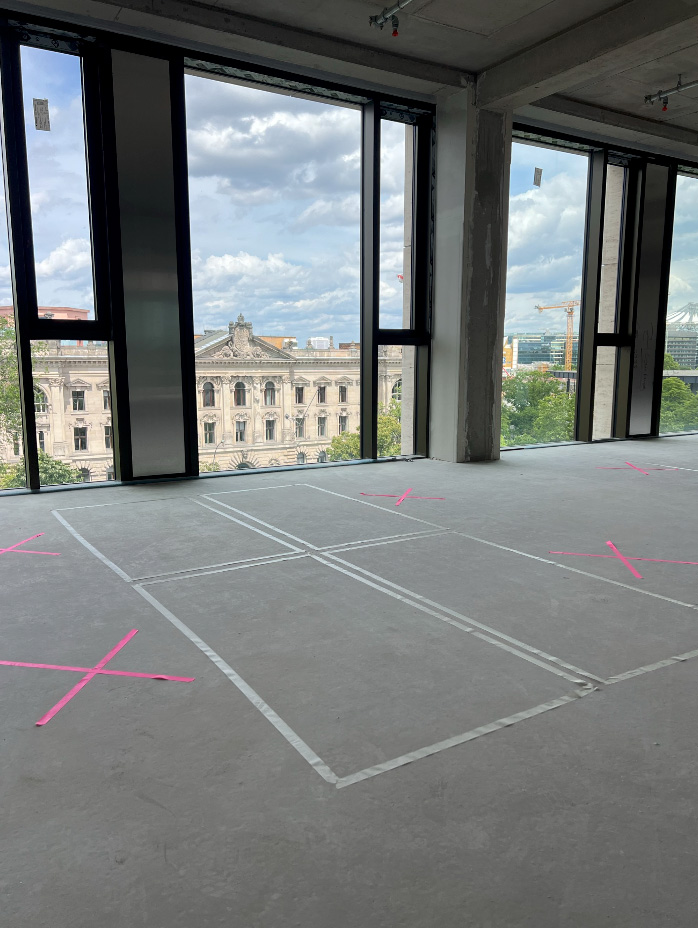
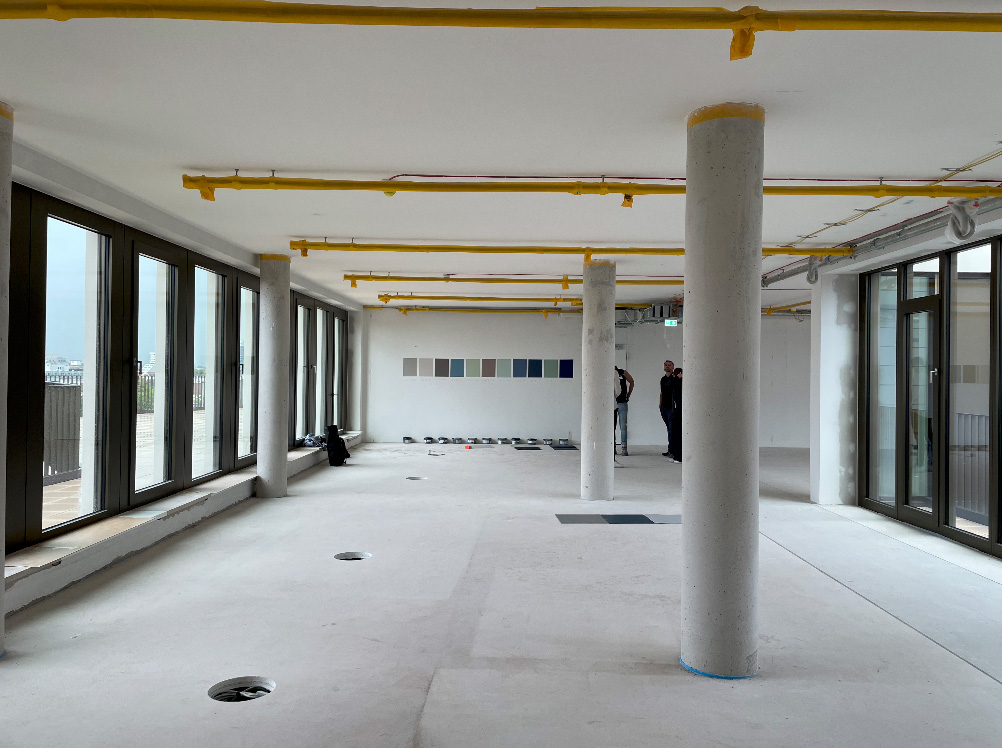
A crucial moment in the project's progress: employees visited the construction site, saw the developing areas with their own eyes, and could ask questions. The Construction site development was also shared again and again in the intranet, so that the employees could participate.
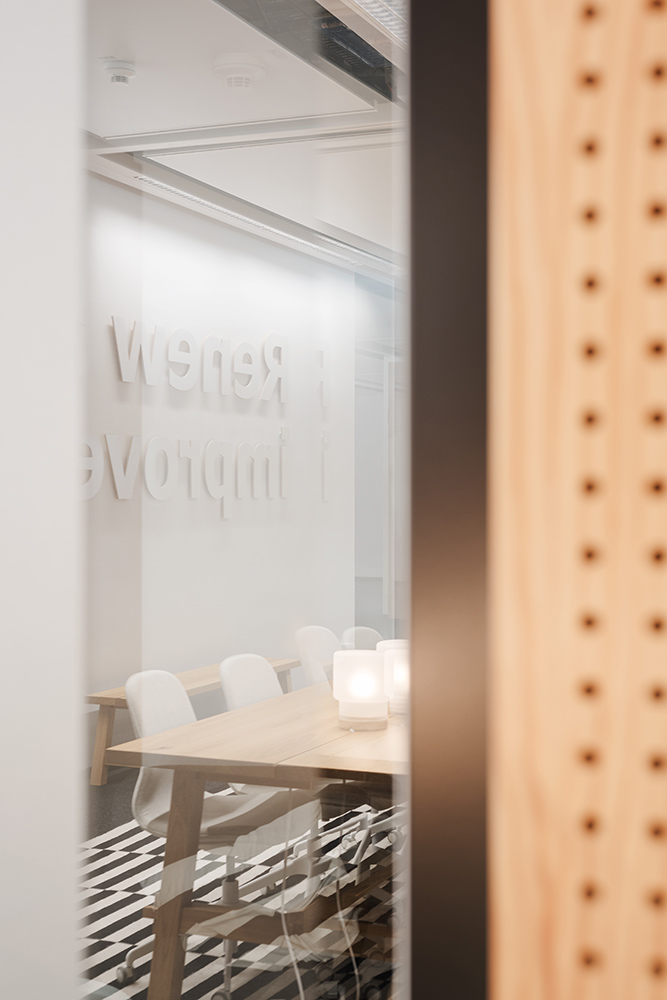
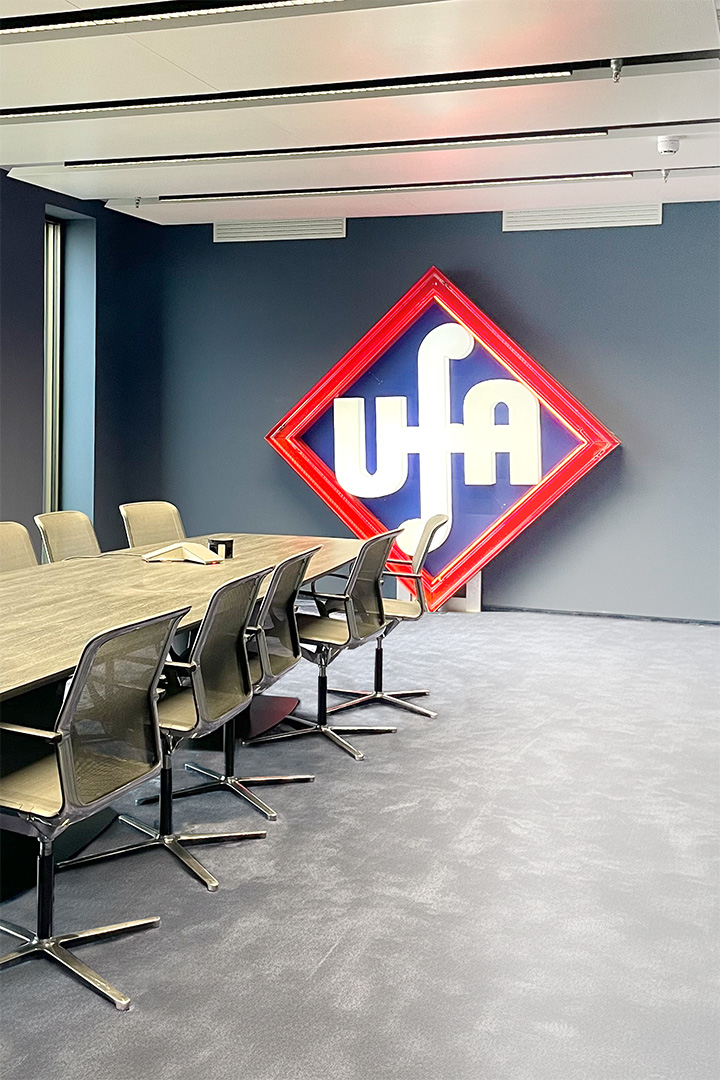
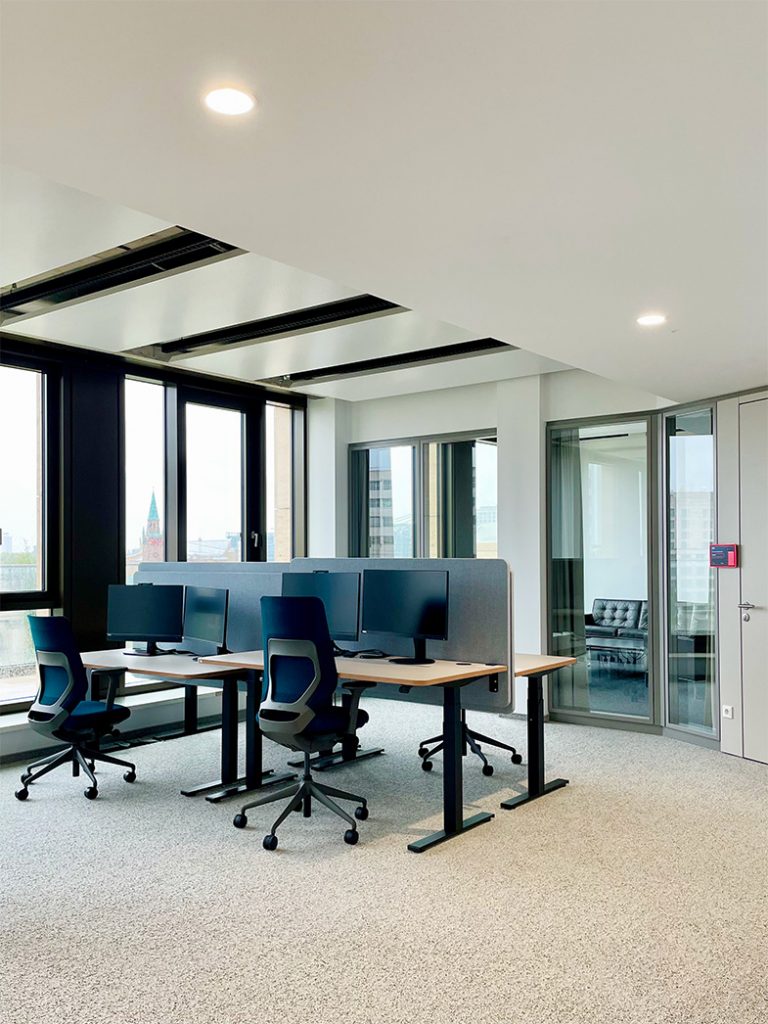
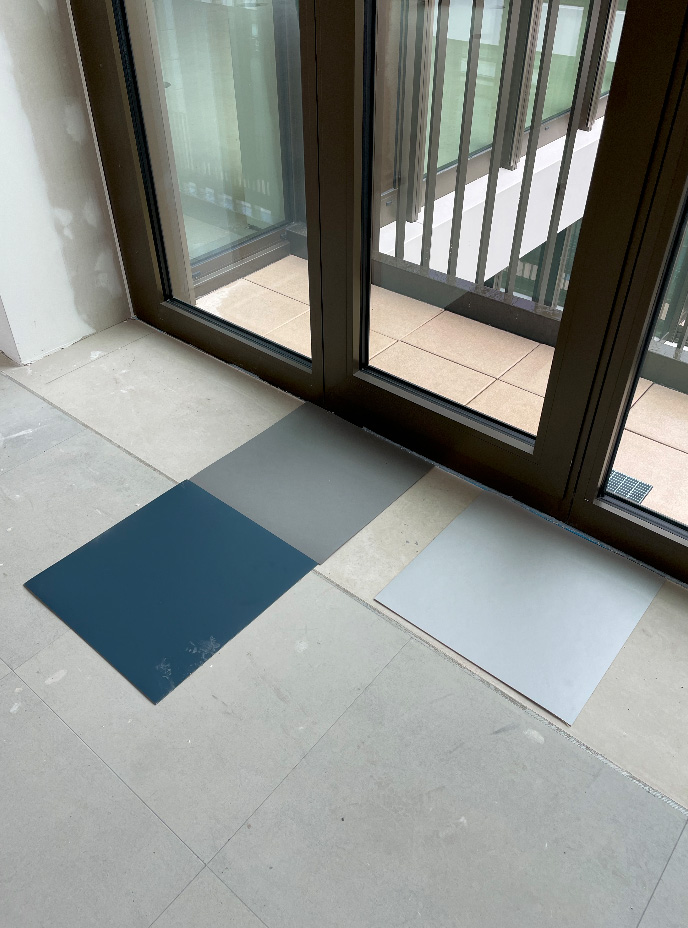
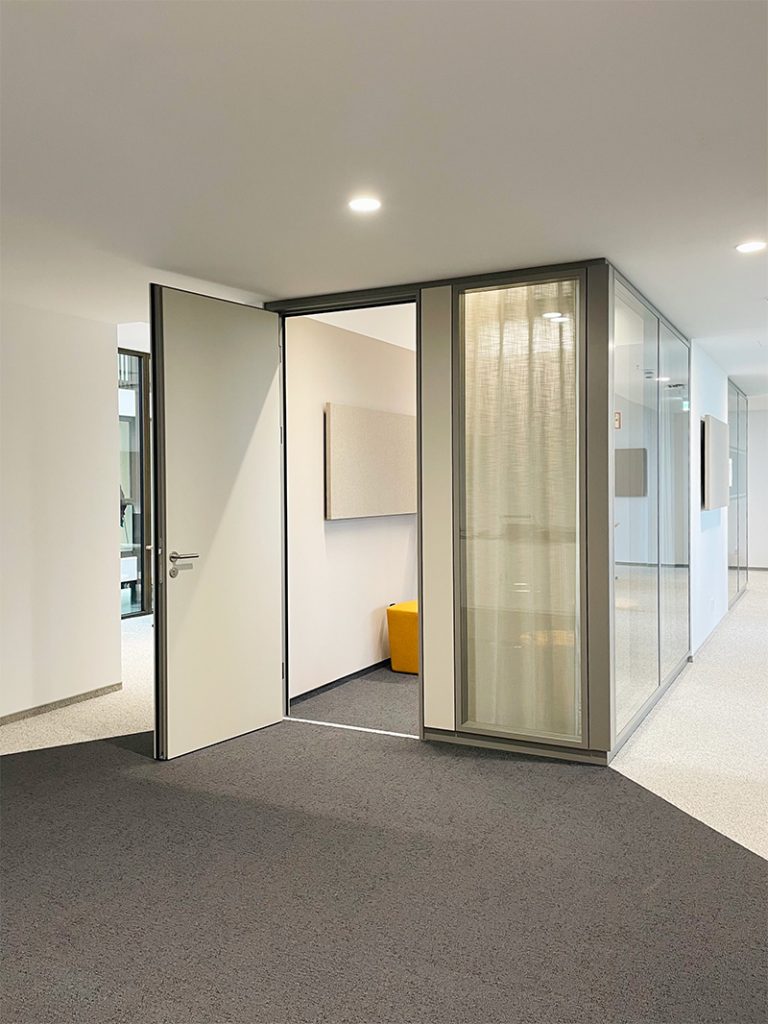
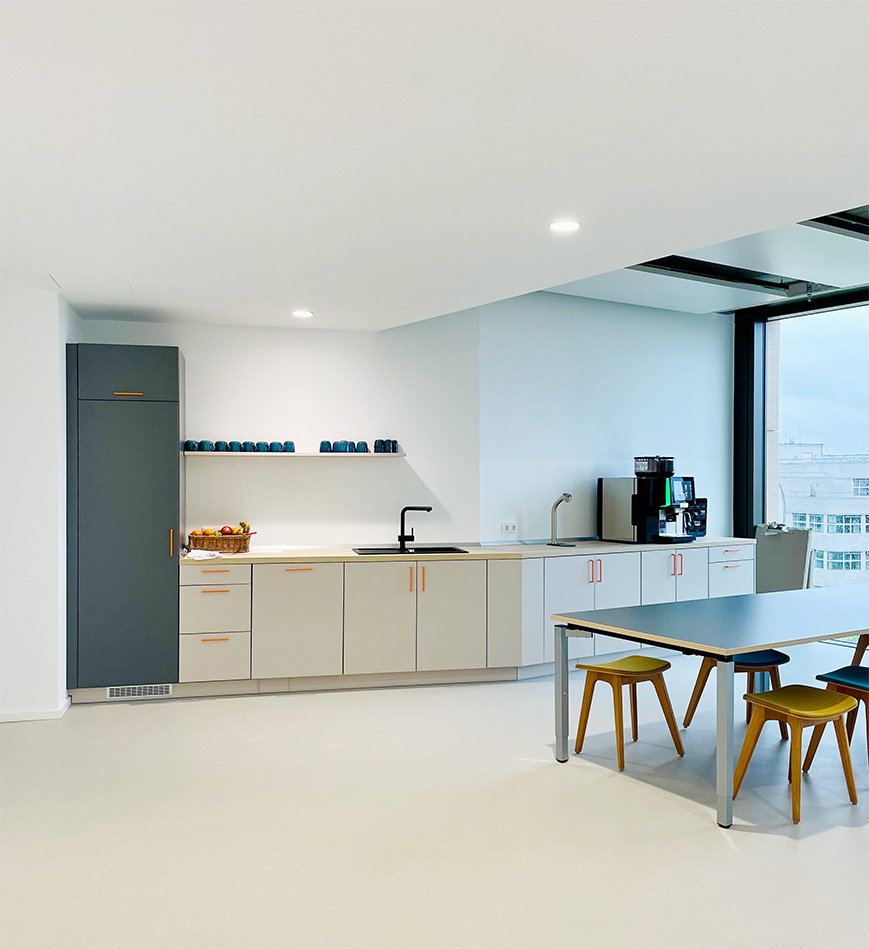
From need to space: In parallel, the combine developed a differentiated spatial concept based on the requirements gathered: classic workstations alongside diverse communication and collaboration zones – designed for focused individual work as well as spontaneous teamwork. The functional was complemented by an individual „Look & Feel“, das makes the UFA brand spatially tangible.
The result: 3,000 m², which shows an attitude
Working today 140 people on 3,000 m² in an environment that fosters exchange, enables creativity, and simultaneously provides space for concentrated work tolets.
The UFA back in Berlin – for us, that's a powerful step that makes sense both culturally and economically. We need to be where a lot is happening: in the midst of society's creative pulse, close to the zeitgeist, close to talent, and Partners. has helped shape this departure from the very beginning – and ensured that our employees not only found a new place to work, but also a new work culture.
Sascha Schwingel, CEO, UFA
Combine's consulting services in the project
accompanied the project from the strategic goal definition through participatory concept development and site planning to the preparation of the tender process. This included the Development The Furniture Concepts, die Design planning The Cabinet modules as well as the Request for proposal and accompaniment of the procurement process. The selection of vendors, negotiations, and implementation of the design concept were subsequently handled by the UFA project team.
The special Added value of our support: Space, culture, and organization were not treated separately, but were considered as an interconnected system from the very beginning.
UFA didn't want a new office location – they wanted a fresh start. This is a fundamentally different starting point for our work: not optimizing space, but translating a spirit of renewal into spaces and culture that truly resonate. This only works if the people who work there every day embrace this change as their own – not as something happening *to* them.
Christine Gess, Project Management at combine
Services
- Management Interviews and Strategy Workshops
- Change Management & Communication Concept
- Development of a new office concept
- Tenant improvement specification support
- Space and resource planning
- Development of Design DNA & Development of Look & Feel
- Change Management including User Coordination
- Module Catalog as a Basis for the Tendering Process
- Design concept and planning
- Project Coordination & Stakeholder Management
- Accompanying communication throughout all project phases